The Link You Followed Has Expired. Please Try Again. Wordpress Error
The "link y'all followed has expired" is a common mistake that occurs when trying to upload themes and plugins via the WordPress dashboard.
The fault commonly happens when the file you're trying to upload is larger than the default upload and execution limits gear up past WordPress. The best fashion to fix the issue is to increment the default upload limits.
In this guide, nosotros'll testify you how to set the "link you lot followed has expired" all by yourself in a few easy steps.
What Causes 'The Link You Followed Has Expired' Error?
If you were to open up the WordPress dashboard and go to Media >> Add New page, y'all'll notice that by default WordPress has a stock-still upload size limit that prevents you lot from uploading files of larger sizes.
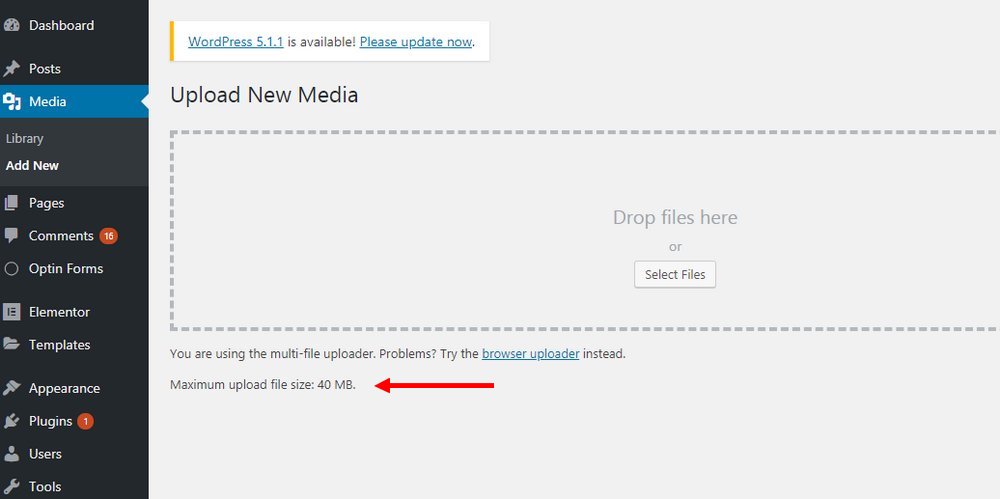
These prefixed sizes differ based on the type of spider web hosting program you use. While managed WordPress hosting providers set over 100mb as the maximum upload size limit, smaller shared hosting plans may limit the size to 25mb. This limit is usually what keeps you from uploading heavy themes and plugins.
Fifty-fifty if your website has a bigger upload size limit, if your website's maximum execution time is limited, then WordPress will often neglect to upload larger files. This is when you lot encounter fatal errors and other specific problems like "link you followed has expired" error.
How To Fix The Fault
To fix the "link you followed has expired" error, all you demand to do is to increase the maximum upload size and execution times for your website.
This requires editing a core WordPress file and copying a few lines of code. It can exist done in several different ways. Nosotros'll walk you through the process. Remember not to follow all these methods. If 1 method didn't work, reverse the changes y'all've made and try the next method. Not all at in one case!
Note: Backup your website and brand copies of files before making any changes to the core WordPress files. Follow this guide to learn how to setup WordPress backups. If yous don't know what you're doing, seek help from an expert.
Method ane: Edit .htaccess File
The .htaccess file is a core file used past WordPress. We tin can edit this file and re-create our lawmaking to change the default upload limits set up by WordPress.
To edit the file, you demand to admission the WordPress files in your server. Nosotros'll show yous how to access the server using the CPanel. But, you can too use an FTP client app as well.
Step 1: Login To CPanel
If you tin't find the CPanel via your hosting account, simply type "cpanel" at the end of your website domain name (eg: yourwebsite.com/cpanel).
So enter the CPanel username and countersign. These details are usually provided to you in the welcome electronic mail your hosting provider sends to you.
Step 2: Find And Open The File Managing director
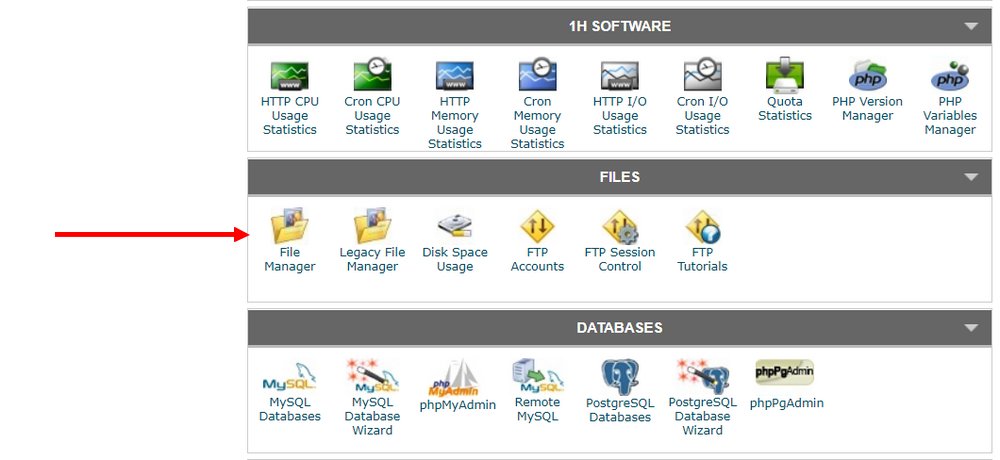
In the CPanel, discover and open up the File Manager app. Then it volition prompt you where you lot want to navigate to. Choose to open up the public.html folder.
Pace iii: Copy The Code
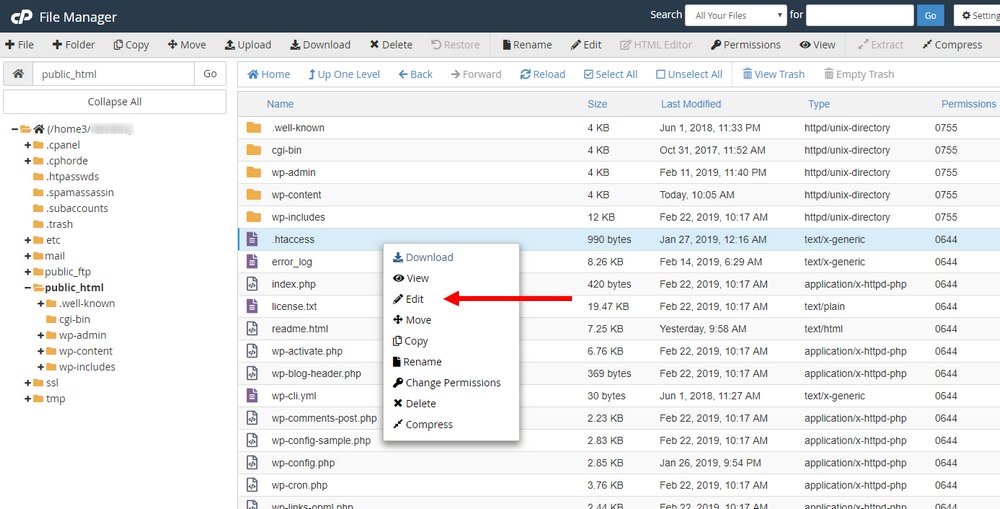
On the public.html folder you'll meet the .htaccess file. Right-click on this file and choose Edit.
And so copy and paste the following lines of code at the end of the .htaccess file
php_value upload_max_filesize 64M
php_value post_max_size 64M
php_value max_execution_time 300
php_value max_input_time 300
In one case yous're done, click Salvage.
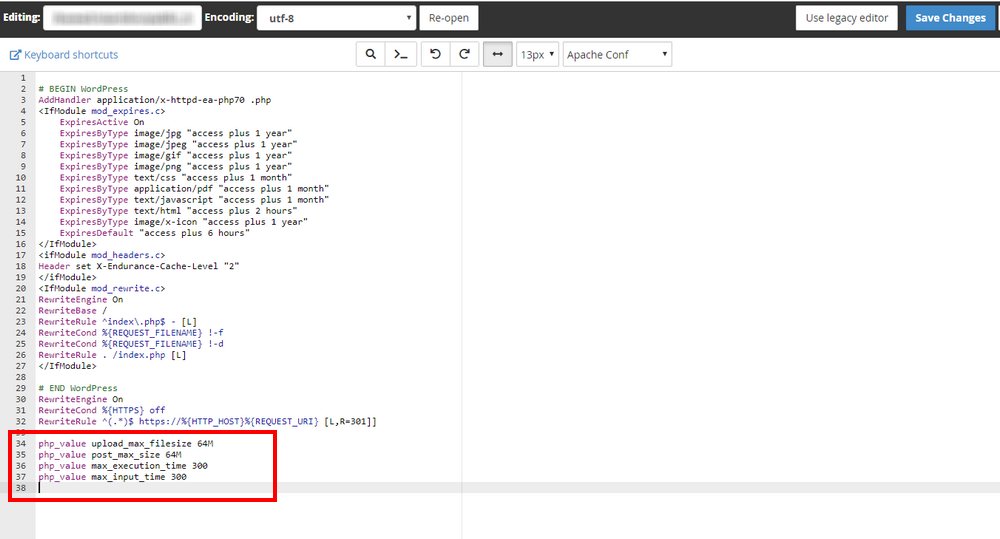
This method unremarkably fixes the fault. If information technology didn't work, endeavor the next method.
Method ii: Create A PHP.ini File
If editing the .htaccess file didn't work, y'all can create and upload a PHP.ini file into your server to prepare the issue.
Some hosting servers will automatically create a PHP.ini file in your server. Follow the steps detailed in the previous method to navigate to the public.html folder in your server and see if there's already a PHP.ini file in your server.
If not, permit's create one.
Step ane: Create A PHP.ini file
The PHP.ini file has to be created locally on your estimator and so you can upload it to your server.
Commencement, open up a bare notepad and re-create and paste the following lines of code into information technology.
upload_max_filesize = 64M
post_max_size = 64M
max_execution_time = 300
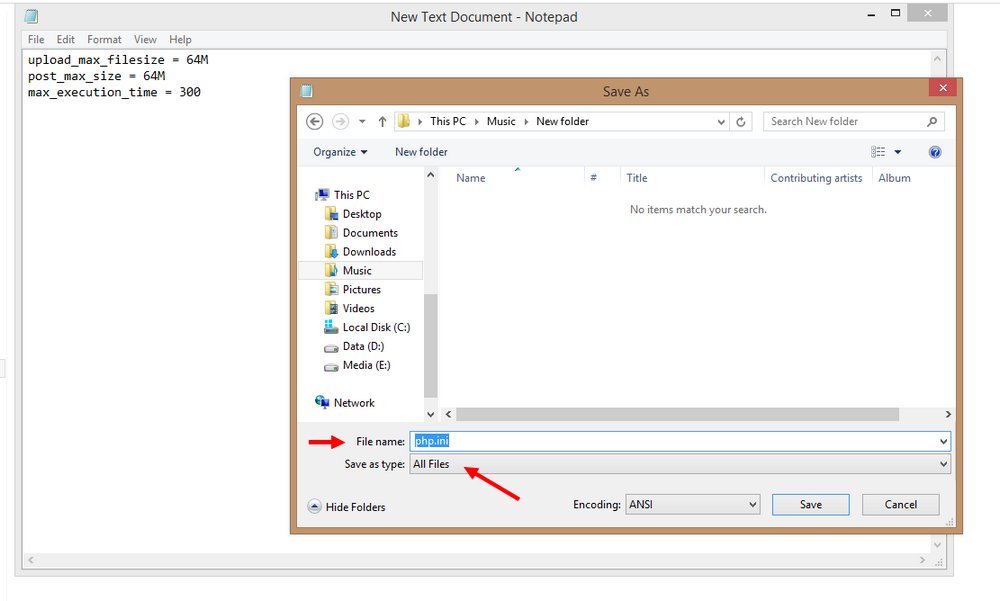
Then Salvage the note file every bit php.ini and choose file type as "All Files"
Footstep two: Upload The File
Navigate dorsum to your server and go to the public.html binder. Then upload the PHP.ini file that you lot've but created on your figurer.
This will fix the mistake and increase the upload size limits to 64MB.
In Conclusion
These methods should help gear up the consequence and allow you lot to upload themes and plugins with larger sizes through the WordPress dashboard.
However, some shared hosting providers may accept restrictions that volition forbid y'all from uploading large files. If the result persists, contact your web hosting provider and enquire for their assist.
In the time to come, use an FTP client app similar Filezilla to directly access your server and upload themes and plugins using the FTP client for easily uploading larger files.
Source: https://www.wpkube.com/how-to-fix-the-link-you-followed-has-expired-error-in-wordpress/
0 Response to "The Link You Followed Has Expired. Please Try Again. Wordpress Error"
Post a Comment